Strengthening WASH Governance in informal markets-building cleaner and more inclusive cities

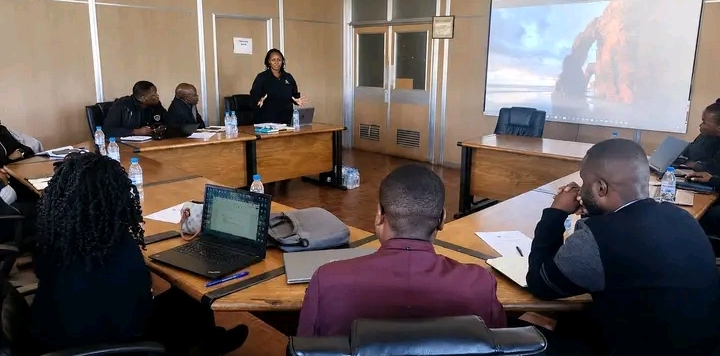
The Ministry of Local Government and Public Works, together with the Office of the President and Cabinet, on the 10th of June convened a High-Level Provincial Water, Sanitation and Hygiene (WASH) Sub-Committee Review Meeting under the theme, “Strengthening WASH Governance in Informal Markets- Reflections from the Provincial Review Meeting.
The gathering brought together government officials, local Bulawayo authorities, development partners and various stakeholders to discuss the future of water, sanitation and hygiene services within informal markets, which continue to play a crucial role in Zimbabwe’s urban economy.
During the meeting, important reflections were shared by the Executive Director of the Bulawayo Vendors and Traders Association (BVTA), Michael Mdladla Ndiweni, who highlighted both the challenges and opportunities facing Micro, Small and Medium Enterprises (MSMEs) in Bulawayo’s highly informalised economy.
Ndiweni noted that the management of MSMEs remains inadequately coordinated, with relationships between key stakeholders in some instances becoming strained.
This has resulted in mistrust, weak communication and the undermining of both municipal by-laws and national legislation.
Such challenges have a direct impact on service delivery, market organisation, public health, revenue collection and the overall sustainability of informal sector governance.
The review meeting also highlighted the limited resources available to improve WASH infrastructure in informal trading spaces.
Across many markets, traders continue to operate in environments where access to adequate sanitation facilities, clean water, waste disposal systems, bins and skips remains a major concern.
Yet these traders continue to contribute significantly to the local economy and deserve safe, hygienic and dignified working conditions.
Participants emphasised the need for more research and practical models that can effectively address WASH challenges within highly informalised urban economies.
Informal markets operate under unique circumstances, making it necessary for future interventions to be developed through collaboration among traders, local authorities, residents, government departments, development partners and the private sector. Such partnerships can help create sustainable solutions that are responsive to the realities faced by traders and communities alike.
The meeting further stressed the importance of ensuring that market construction and upgrading projects prioritise access to reliable water and sanitation facilities.
Markets should not simply function as centres of trade, but also as healthy, organised and inclusive economic spaces where both traders and consumers can thrive.
Traders were encouraged to continue participating in clean-up campaigns, waste management initiatives and other community-led efforts aimed at creating cleaner urban environments.
A recurring theme throughout the discussions was the principle of “Leaving No One Behind.” Stakeholders agreed that future WASH policies and programmes must prioritise the needs of vulnerable groups, including women, youth, persons with disabilities, informal traders and low-income communities.