Bulawayo set to launch SME stock exchange in major boost for small Businesses

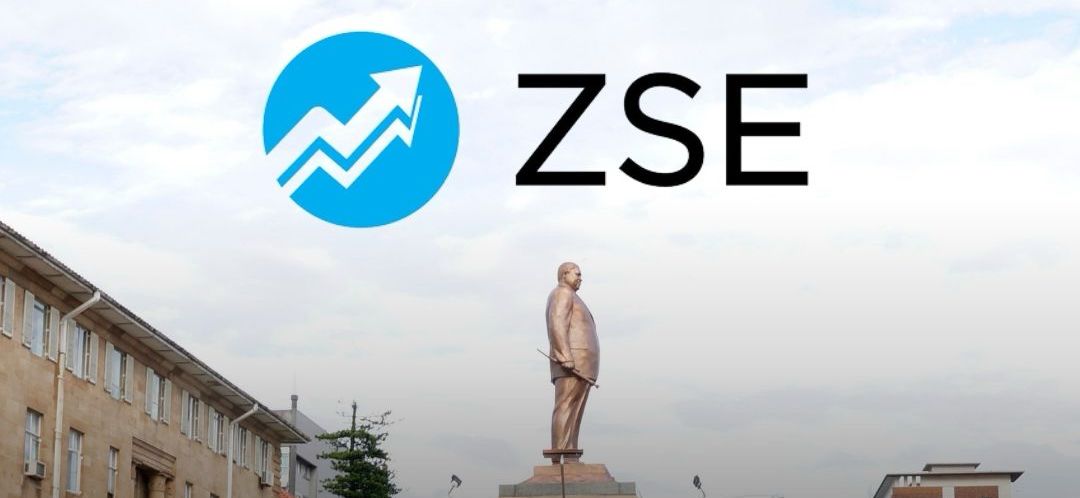
Bulawayo is on course to strengthen its position as Zimbabwe’s commercial and industrial hub following the announcement by Finance, Economic Development and Investment Promotion Minister, Professor Mthuli Ncube, that the city will host a Small and Medium Enterprises (SME) Stock Exchange.
The announcement was made during the National SMEs and Cooperatives Indaba held in Harare, signalling what could become one of the most significant financial developments for the country’s small business sector.
The proposed SME Stock Exchange is expected to transform the way entrepreneurs and growing businesses access capital. Unlike conventional financing, where businesses often rely on bank loans with stringent collateral requirements, an SME stock exchange provides qualifying businesses with an opportunity to raise funds from investors by offering shares in their companies.
For Bulawayo, a city renowned for its entrepreneurial spirit and manufacturing heritage, the initiative could mark the beginning of a new era of economic revival. Hundreds of small and medium enterprises operating in manufacturing, fashion, technology, agriculture, retail and creative industries could eventually gain access to long-term investment capital needed to expand production, modernise equipment, create employment and enter new markets.
The development is also expected to reinforce Bulawayo’s status as Zimbabwe’s financial and industrial gateway to the southern region.
By establishing an SME-focused capital market, the city could attract investors from across Zimbabwe and beyond, creating new opportunities for local enterprises that have traditionally struggled to secure affordable financing.
For the ordinary business owner, the benefits could be substantial. Instead of depending solely on personal savings or expensive loans, entrepreneurs with well-managed businesses may eventually be able to raise capital from investors who believe in their growth potential. This means a furniture manufacturer could purchase modern machinery, a clothing designer could increase production for export markets, or a food-processing company could expand operations without carrying the burden of heavy loan repayments.
The proposed exchange could also encourage improved corporate governance among SMEs.
Businesses seeking investment would be expected to maintain proper financial records, strengthen accountability and improve transparency qualities that not only attract investors but also enhance long-term sustainability.
Beyond individual businesses, the initiative has the potential to stimulate job creation throughout Bulawayo.
As SMEs secure capital and expand operations, they are likely to employ more people, increase production and contribute more significantly to the city’s economy. Suppliers, transport operators, service providers and other supporting industries would also benefit from increased business activity.
The announcement comes at a time when Zimbabwe continues to recognise small and medium enterprises as a key driver of economic growth. SMEs account for a significant share of employment and business activity, making improved access to finance essential for unlocking their full potential.
While details regarding the operational framework and launch date of the SME Stock Exchange are yet to be announced, the proposal has already generated optimism among entrepreneurs and economic observers.
Many believe it could become a catalyst for inclusive economic growth by giving smaller businesses access to investment opportunities previously reserved for larger corporations.
If successfully implemented, the Bulawayo SME Stock Exchange could redefine the city’s economic future—creating an environment where innovative entrepreneurs are empowered to grow, investors discover new opportunities, and ordinary Zimbabweans witness the emergence of stronger local businesses capable of competing on regional and international markets.
For Bulawayo, the proposed SME Stock Exchange is more than a financial institution. It represents renewed confidence in the city’s entrepreneurial potential and a bold step towards restoring its reputation as Zimbabwe’s industrial heartbeat.