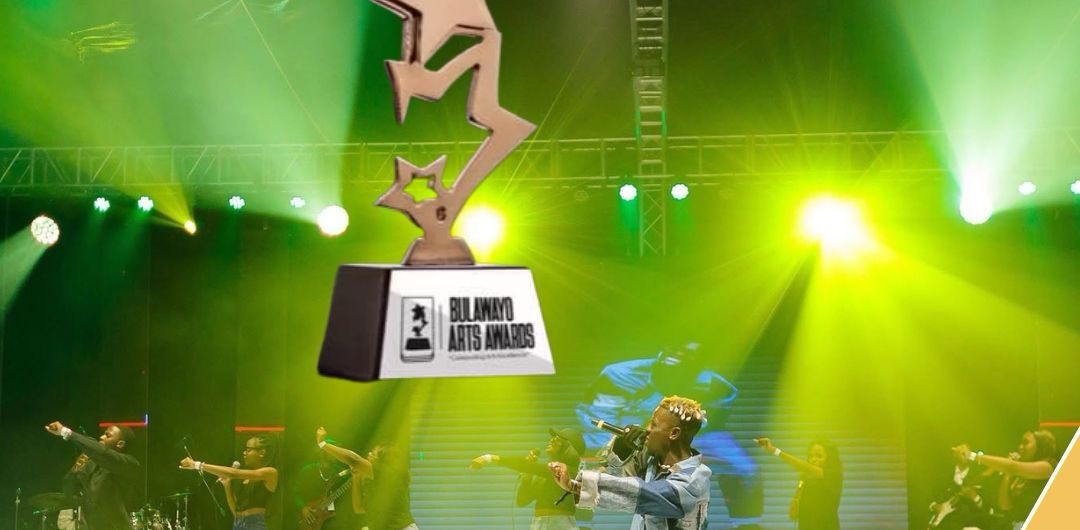
The recognition of artistic talent in Bulawayo has sparked a conversation about representation, following concerns from documentary filmmaker and animator Kadelwa Ndlovu over the apparent absence of dedicated Visual Arts categories in the 9th edition of the Bulawayo Arts Awards (BAA).
While the awards continue to provide a platform for celebrating musicians, performers, creatives and other contributors to the city’s entertainment industry, Ndlovu believes an important part of the creative community has been left out of the recognition process.
In a strongly worded statement posted on his social media , the visual artist questioned where painters, photographers, illustrators, digital artists, animators and sculptors fit into an awards platform established to celebrate artistic achievement.
“I honestly find it disappointing that the Bulawayo Arts Awards have seemingly overlooked Visual Arts in their award categories,” said Ndlovu.
He, however, acknowledged the work involved in organising platforms that recognise local talent, emphasising that his concerns were not intended to discredit the organisers or the contribution the awards have made to the creative industry.
“Supporting the arts should mean supporting ALL forms of art, not just selected disciplines,” he said.
Ndlovu argued that visual arts should not be treated as an additional part of the creative industry, but recognised as an established discipline with its own professionals, institutions, economic contribution and cultural significance.
From paintings documenting everyday Zimbabwean life to photography, animation, sculpture and digital illustrations, visual artists continue to play a role in telling local stories, preserving heritage and creating opportunities within the creative economy.
Some have also represented Zimbabwe beyond its borders, while others are building independent studios, developing creative businesses and passing their skills to younger generations.
Mr Ndlovu believes, the concern is not simply about missing out on trophies. It is also about visibility and creating opportunities for artists whose work may not always receive the same public attention as music, dance and performance.