Not just another plate: Chef Micah wants to serve Bulawayo something different

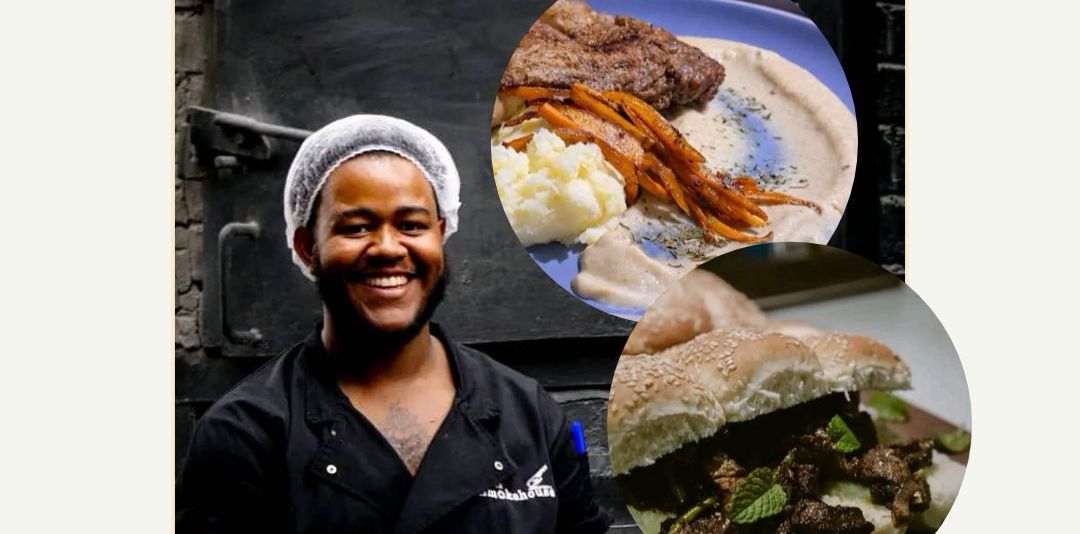
For Chef Micah cooking is not simply about satisfying hunger; it is about creativity, experimentation and turning food into art. With a growing passion for culinary innovation, the young chef believes Bulawayo’s food scene has room for fresh ideas, individuality and better dining experiences. In this conversation with My Kasi Magazine, he discusses his journey, kitchen experiences, inspirations and ambitions under the name Chef Micah.
TR: Chef Micah, welcome. For people who don’t know you yet, who is Chef Jarod?
CM: Chef Micah is me. I’m a young, passionate individual, both in my everyday life and in the kitchen. I enjoy creating, experimenting and expressing myself through food. For me, cooking goes beyond preparing a meal. It’s about creating experiences, telling stories and, ultimately, creating art.
TR: When did you first know you wanted to be a chef?
CM: I wouldn’t necessarily say there was one defining moment when I woke up and decided I wanted to become a chef. It happened gradually. Over time, people who had tasted my food kept telling me that I should seriously consider becoming a chef. Eventually, I started recognising the talent they were seeing in me, and I decided to embrace it and see just how far I could take it.
TR: What was the first dish you ever cooked, and who tasted it?
CM: My first proper dish was probably my own recreation and personal twist on my mother’s chicken pasta. I remember preparing it for an evening when we had family and friends over. They were the first people to taste it, and their reactions encouraged me to explore cooking further.
TR: What was your hardest moment in the kitchen?
CM: I’d probably say my first-ever lunch rush. The restaurant suddenly filled up with customers, orders started coming in, and everything went from zero to a hundred in what felt like seconds. It was overwhelming, but it taught me something important about the industry: you can know how to cook, but being able to perform under pressure is an entirely different skill.
TR: What is your signature dish? The one dish that says, ‘This is Chef Micah’?
CM: Honestly, I don’t think I’ve established a definitive signature dish just yet. However, if I had to choose something from my original creations, it would probably be my Tamarillo Tomato Twist Salad. It was an experimental combination, and when all the flavours came together, I experienced something I hadn’t quite tasted before. That’s what I love about creating food: sometimes taking a risk gives you something extraordinary.
TR: Bulawayo people love traditional food. How do you mix traditional and modern cooking?
CM: I think modern cooking is about taking calculated risks without losing the essence of what makes a dish special. My approach would be to preserve the traditional recipe and its original flavours while experimenting with presentation and finding ways to elevate the overall taste. I don’t believe modernising food necessarily means changing everything about it. Sometimes, all it takes is a different perspective.
TR: What is the biggest mistake home cooks make when considering a career in professional cooking?
CM: I think one of the biggest misconceptions is believing that being a good home cook automatically means you can transition into a professional kitchen and perform at the same level.
Commercial cooking is an entirely different environment. You’re dealing with larger quantities, time constraints, consistency, pressure and teamwork. Adaptability doesn’t happen overnight. There will be difficult days when you question yourself and even consider quitting before you eventually find your rhythm. Cooking at home and cooking professionally are two very different experiences.
TR: How do you survive as a chef in this economy, with high prices and load shedding?
CM: With rising ingredient prices, I believe it’s important to be strategic about where you source your products. Don’t just buy from the first shop you walk into. Compare prices, explore different suppliers and find options that work within your budget without compromising the quality of your ingredients.
As for load shedding, adaptability is essential. You have to be willing to explore alternative cooking methods, whether that’s using gas, cooking over an open fire or finding other ways to keep operations running. The goal is to find solutions rather than allow difficult circumstances to bring everything to a standstill.
TR: Who inspires you in the cooking world?
CM: I’ve recently been working on a short docuseries, and I remember mentioning Marco Pierre White in one of the episodes as one of the culinary figures I genuinely admire.
His work ethic, passion, discipline and ability to command a kitchen are qualities I find incredibly inspiring. There’s something about his approach to the culinary profession that I respect, and those are attributes I continuously aspire to develop in myself.
TR: What do you think of Bulawayo’s food scene right now?
CM: I think Bulawayo’s food scene is growing, and it’s growing rapidly. However, I also feel that there’s still a lot of room for creativity and individuality.
Sometimes it feels like everyone is doing the same thing. We’re seeing similar concepts, similar dishes and similar menus across different establishments. I think more people need to be willing to step outside their comfort zones and experiment.
Another thing I’ve noticed is that some establishments seem more focused on their online appearance than the actual customer experience. A place can look incredible on social media, but when you physically visit, the experience doesn’t always match the expectations created online.
I believe we need to start putting just as much effort into the actual dining experience as we do into marketing it.
TR: What advice do you have for a young person in Bulawayo who wants to become a chef?
CM: First, be absolutely certain that this is something you want to pursue. Understand the sacrifices that come with being in this industry.
It’s not always glamorous, and it’s certainly not as easy or exciting as television and social media sometimes make it appear. There are long hours, pressure, difficult environments and moments when you’ll question whether you’re on the right path.
But most importantly, be passionate about it. Be willing to learn, make mistakes, accept criticism and constantly improve. You need more than just an interest in food to survive in this industry.
TR: Do you have a dream restaurant? What would it look like?
CM: Absolutely.
I envision a restaurant that makes people want to keep coming back, not just because of the food, but because of the entire experience.
I want it to be somewhere calm, welcoming and relaxing, where every detail has been carefully considered. From the furniture and lighting to the artwork on the walls, everything should have a purpose.
I don’t want empty, bland walls. I want the space to feel like a literal food art museum, somewhere that reflects creativity, personality and the amount of thought that goes into the culinary experience.
I want people to walk in, look around and appreciate the environment just as much as they appreciate what’s on their plates.
TR: If you could cook one meal for the whole of Bulawayo, what would it be?
CM: I’d go with something that brings people together regardless of where they come from: a classic tshisanyama experience.
Good meat straight off the braai, sadza, and a simple cucumber, tomato and onion salad.
Sometimes you don’t need to overcomplicate things. There’s something special about a traditional meal shared with good people, and you can never really go wrong with tshisanyama.
TR: Any last words for your fans in Bulawayo?
CM: This definitely isn’t the last time you’ll be seeing or hearing from Chef Micah.
I’m coming, and I don’t plan on stopping until I bring my vision to life and people get to experience what I’m truly capable of.
There’s still so much I want to create, so much I want to explore and so much more I want to contribute to this industry.
To everyone who’s been supporting, watching and following the journey, thank you. This is only the beginning.