Alliance Française de Bulawayo erupted in musical celebration as World Music Day Concert dazzled Thousands

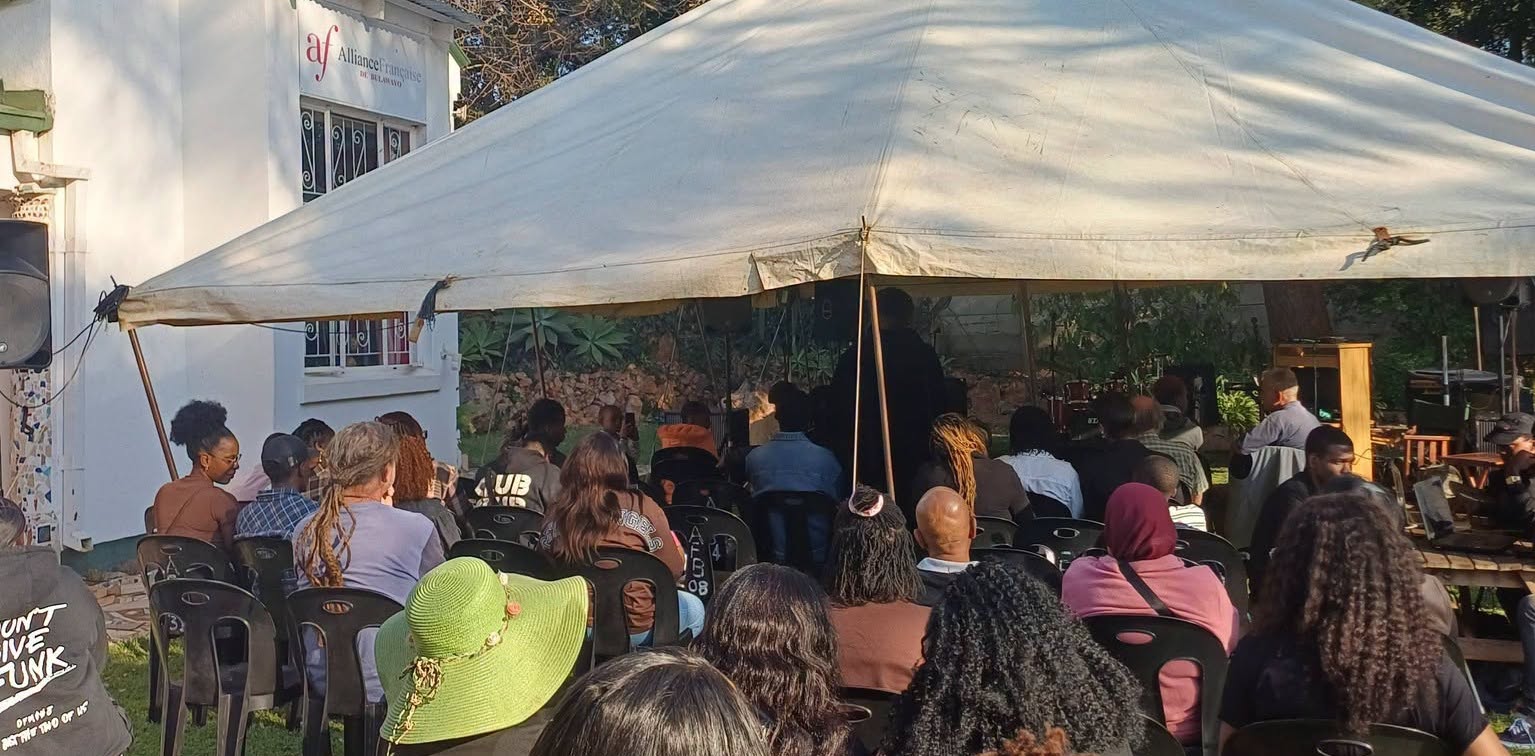
The World Music Day Concert, affectionately and widely known across the globe as La Fête de la Musique, bursted into glorious life on the 4th of July at the iconic Alliance Française de Bulawayo, transforming the cultural heart of the city into a pulsating paradise of rhythm, rhyme, and raw artistic brilliance.
Organised by the prestigious French Embassy to Zimbabwe, this spectacular celebration of sound and soul proved to be nothing short of extraordinary, drawing music lovers from every corner of the city and beyond into an unforgettable afternoon and evening of world-class entertainment.
The anticipation had been building for weeks.
Social media had buzzed with excitement, and whispers of an exceptional line-up had circulated through every café, university campus, and township from Lobengula to Hillside.
When the day finally arrived, the atmosphere was electric. From the moment the gates swung open at 3 p.m,a steady stream of eager revellers poured through the entrance, their faces alight with anticipation, their spirits soaring with the promise of something truly remarkable.
This year’s performances stretched across an awe-inspiring spectrum of genres, styles, and cultural expressions, but it was the extraordinary talents of Aufait and Khali Gomera that truly set the stage ablaze.
The afternoon sun beat down upon the eager crowd as the first notes rang out, and from that instant, there was no turning back the magic had begun.
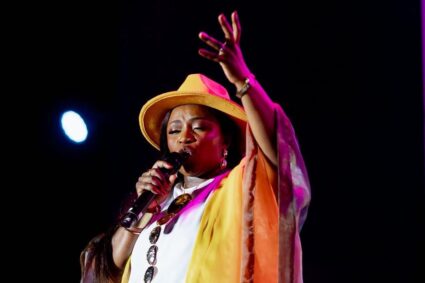
Among the luminaries who graced the stage was the phenomenal Aufait, born Perfect Thandolwenkosi Sibanda, a Zimbabwean rapper whose very name had become synonymous with boundary breaking artistry and fearless cultural fusion. She was no ordinary performer; she was a force of nature, a lyrical architect who had masterfully woven together the rich threads of Zimbabwe’s linguistic heritage effortlessly blending Ndebele, Shona, and English with the romantic cadences of French. The result was nothing less than spellbinding.
When she stepped into the spotlight, the crowd fell into a hushed reverence before erupting into thunderous applause.
Her verses flowed like liquid fire, each bar delivered with precision, passion, and an unmistakable pride in her roots.
Aufait’s journey to this moment had been nothing short of remarkable. She had previously shared the stage with none other than Holy Ten, one of Zimbabwe’s most celebrated hip-hop heavyweights, a collaboration that had cemented her status as a rising titan in the industry. She had headlined the groundbreaking For the City event, a movement that had given voice to urban youth and transformed street corners into stages of revolution. She had commanded the crowd at Rise, her hip-hop power sessions event that had become a beacon for aspiring artists across the nation.
And she had electrified audiences at the Alliance Praise Festival, leaving no doubt that she was destined for even greater heights.
But the evening held yet more surprises. As Aufait’s final notes still hung in the warm July air, the stage exploded into motion as the No Name Dance Crew (NNDC) burst forth in a riot of colour, energy, and breathtaking choreography. Bulawayo’s most electrifying award-winning contemporary dance ensemble, the NNDC had earned their reputation through years of gruelling dedication and jaw-dropping performances. Their movements were a language unto themselves sharp, fluid, defiant, and beautiful. They twisted and turned through the air with impossible grace, their bodies telling stories of struggle, triumph, love, and liberation. The crowd roared its approval, phones held high to capture every gravity-defying leap and perfectly synchronised step. It was, without question, a moment of pure theatrical magic.
Just when the audience thought they had witnessed the pinnacle of the evening’s offerings, the Travellers Band arrived to raise the bar even higher. This extraordinary all-male Afro-fusion ensemble had journeyed all the way from Gweru, carrying with them the vibrant musical traditions of the Midlands and fusing them with contemporary sounds that resonated across generations.
The group consisted of six energetic youngsters whose chemistry was palpable from the first chord. They moved across the stage with the confidence of seasoned veterans, yet their eyes sparkled with the infectious enthusiasm of artists who truly loved what they did.
The Travellers Band were no strangers to the grand stage. They had previously headlined some of the most prestigious international festivals on the African continent and beyond. They had brought the house down at HIFA, the Harare International Festival of the Arts, where they had shared billing with global superstars. They had set Miombo Festival alight with their irresistible rhythms. They had captivated thousands at Lake July, their melodies echoing across the water as dancers moved beneath the stars. And they had torn up the stage at Unplugged Zim, proving that their acoustic prowess matched their electric energy in every respect. Now, here in Bulawayo, they delivered a masterclass in musicianship that left the audience breathless. Drums thundered, guitars wept and soared, voices harmonised in perfect unity, and the Afro-fusion soundscape they created transported listeners on a journey through the very soul of Zimbabwean musical heritage.
Between sets, the grounds of Alliance Française buzzed with life.