ZMC brings Media Accreditation services to Bulawayo as journalists embrace AI and Digital Transformation

The Zimbabwe Media Commission (ZMC) has moved to improve accessibility and convenience for media practitioners in the country’s southern region by decentralising media accreditation services to Bulawayo.
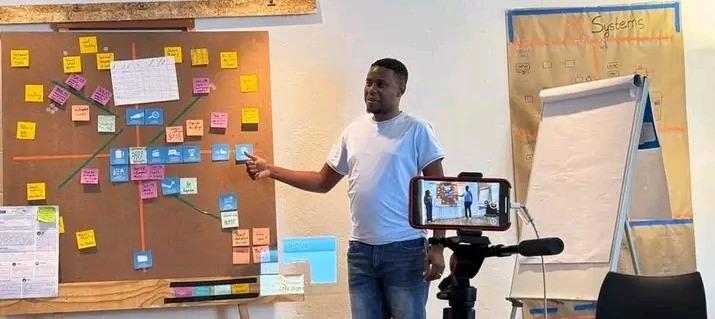
The development was announced during a Stakeholders Engagement Meeting held on 12 June 2026 at the Rainbow Hotel in Bulawayo, where journalists, media practitioners and industry stakeholders gathered to discuss key developments affecting Zimbabwe’s media landscape.
The meeting was attended by representatives from various media organisations and featured remarks from media practitioner and industry representative Nkosikhona Dibiti of Community Podium, followed by official opening remarks from ZMC Executive Secretary Godwin Phiri.
Presentations were also delivered by the Commission’s Research, Training and Development Department before participants engaged in an interactive question-and-answer session.A major highlight of the engagement was the announcement that the Commission has installed media accreditation equipment in Bulawayo, allowing journalists from Matabeleland and surrounding provinces to process their accreditation locally rather than travelling to Harare.
The move was welcomed by media practitioners who said the decentralisation of accreditation services would significantly reduce travel costs, save time and improve access to essential services.
Speaking to My Kasi Magazine on the sidelines of the engagement, Nkosikhona Dibiti said the establishment of a fully operational accreditation centre in Bulawayo marks a major milestone for journalists in the region.
“I remember a few years ago when journalists in Bulawayo had to organise themselves and send someone to Harare with paperwork for accreditation. It was a major inconvenience,” said Dibiti.
“The establishment of the ZMC office in Bulawayo and the fully-fledged accreditation centre has been a welcome development for journalists in the city.
Additionally, the accreditation outreach tours conducted by the Commission have made it much easier for journalists to access accreditation services.”
Beyond accreditation, stakeholders also explored how technological advancements are reshaping journalism, with particular attention given to Artificial Intelligence (AI) and the growing influence of social media content creators.
Participants agreed that AI is rapidly transforming the way news is gathered, produced and distributed, creating opportunities for journalists to improve efficiency in reporting, fact-checking and audience engagement.
Mr Dibiti urged journalists to embrace technological innovation rather than resist it.
“AI is here to stay, and journalists need to embrace it and learn how to use the tools it offers to enhance their work.
“Those who adapt and move with the times will have a clear advantage,” he told My Kasi Magazine.
The discussions also highlighted the rise of citizen journalism, driven by widespread smartphone ownership and the growing popularity of social media platforms. While stakeholders acknowledged that digital platforms have increased public participation in information sharing, concerns were raised about misinformation, verification challenges and adherence to ethical journalism standards.
To address these concerns, participants proposed stronger collaboration between professional journalists, digital content creators and influential social media users to promote responsible reporting and improve the quality of information shared with the public.
Despite welcoming the accreditation initiative, journalists also highlighted several challenges affecting media operations across the country.
Among the concerns raised were inadequate transport resources, limited funding, shortages of essential equipment such as cameras, laptops and recording devices, as well as high internet and communication costs.
Stakeholders noted that these challenges often limit journalists’ ability to conduct in-depth investigations, verify information comprehensively and provide consistent coverage of issues affecting communities.
Participants called for continued support from government, media organisations and development partners to strengthen Zimbabwe’s media sector and equip journalists with the resources necessary to effectively serve the public.
The engagement concluded with renewed optimism among media practitioners, who said the decentralisation of accreditation services and ongoing dialogue between the Commission and stakeholders represent important steps towards building a more professional, inclusive and technologically adaptive media industry in Zimbabwe.