This weekend, Bulawayo will have an opportunity to celebrate culture not as something confined to history books or family memories, but as something that can be worn, tasted, performed and experienced.
The second edition of the Phinifa Festival takes place on Saturday, 15 August 2026, at Harry Allen Golf Club in Bulawayo, bringing together fashion, food, music, traditional dance, art and storytelling in a celebration designed to connect generations.
With gates opening at 10am, the festival is expected to run into the evening, giving attendees a full day of entertainment and cultural experiences. Organisers have advertised advance general tickets at US$10, with VIP tickets at US$30.
However Phinifa is deliberately positioning itself as more than another item on Bulawayo’s increasingly busy entertainment calendar.
Founded by Nobukhosi Hlahla, the festival was created from a concern that some cultural traditions, values and practices are gradually being overlooked, particularly among younger generations. Its answer is to create a contemporary space where people can reconnect with heritage while enjoying the elements that make modern festivals attractive.
This year’s theme, “Phinifa and Apron on Fleek,” places particular emphasis on traditional cuisine and cultural fashion.
It is an interesting combination because food and clothing are among the most immediate ways people express identity.
A dish can carry a family history, while an item of traditional clothing can tell a story about a community, generation or cultural background.
At Phinifa, those stories are being brought together with music, performance and contemporary creativity.
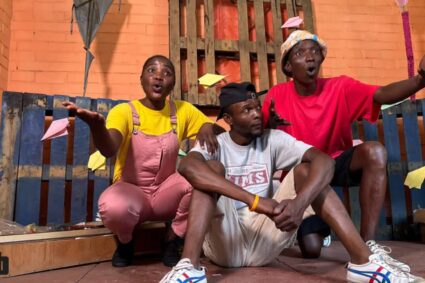
The programme is expected to feature cultural performances, traditional dance, live music, fashion showcases and culinary exhibitions.
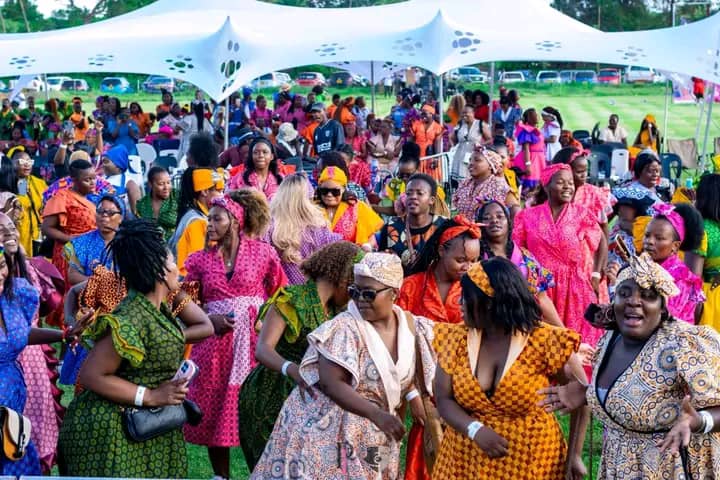
A major attraction will be the cultural fashion show, which will showcase traditional attire representing different communities while exploring the relationship between indigenous and contemporary styles.
That intergenerational element may ultimately become one of the festival’s strongest features.
Children, young people, adults and older generations are all invited, creating an environment where cultural knowledge can move in both directions.
Older generations can share traditions, while younger creatives can reinterpret them through fashion, food, music and visual expression.
The event will creates opportunities beyond the main entertainment programme.
Phinifa is also participating in the growth of the city’s wider creative economy. The city’s own arts strategy has highlighted culture as a potential driver of creative economic opportunities and arts tourism.
Phinifa adds another layer to that picture by putting heritage at the centre.
Its approach is not about asking young people to choose between tradition and modernity. Instead, it suggests that the two can exist comfortably together.
Traditional attire can share space with contemporary fashion.
Indigenous food can become part of a modern lifestyle experience.
Traditional dance can stand alongside live contemporary music.
And cultural storytelling can become entertainment without losing its meaning.
That is what gives this year’s edition a distinctive identity.
Pic credit:Phinifa Festival Media