
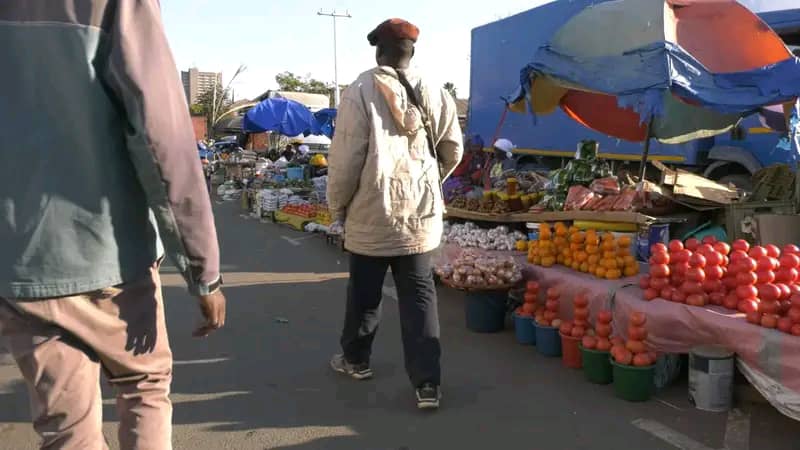
In the streets of Bulawayo, survival often begins before sunrise. Women push their carts, arrange vegetables on makeshift stalls, sort through discarded materials and search for customers.
Their day is driven by one concern which is making enough money to put food on the table.
To many, there is no monthly salary, employment contract or guarantee of what tomorrow will bring. The informal sector has become their workplace, their source of income and, in many cases, their only available option currently.
However behind the determination to make ends meet is a difficult reality.
Poverty is leaving some women and girls vulnerable to exploitation, with the struggle for basic necessities making it harder to refuse situations that threaten their dignity and safety.
In Bulawayo, women form a significant part of the informal economy. They sell fresh produce, second-hand clothing, cooked meals and other everyday goods. Others turn to waste picking, collecting recyclable materials in exchange for whatever little money they can make.
The figures paint a troubling picture. Female waste pickers in the city reportedly earn between US$1 and US$5 a week, while 95 per cent earn less than US$50 a month. (Source Bulawayo Vendors Association).
Such earnings barely cover the cost of living. Rent, food, school requirements, transport and healthcare all compete for the same limited income.
Nonetheless to a mother supporting children, a bad trading day is not simply a business setback. It can mean going home without enough food or having to borrow money to meet an urgent household need.
The situation becomes even more difficult when municipal enforcement operations disrupt informal trading. Women who have invested their limited savings in vegetables, fruit or other goods risk losing their stock during raids.
A single incident can wipe out the money they were hoping to use to restock the following day.
When the little capital a woman has is taken away, rebuilding her business becomes another uphill task.
Away from the city, in Nkayi, poverty is creating a different set of concerns. Reports of gold panners using money, food and other incentives to lure vulnerable girls and young women into sexual relationships have raised questions about the dangers facing communities around mining areas.