From Ntumbane to the World: Melusi Ncube’s extraordinary journey aboard luxury cruise ships

For many young Zimbabweans, the dream of travelling the world often feels out of reach. Yet for Melusi Ncube, a young man raised in Ntumbane, Bulawayo, that dream became a reality through determination, resilience and an unwavering belief in himself.
Today, Melusi works aboard one of the world’s leading cruise lines, exploring continents while building an international career in an industry that continues to transform global tourism.
In this exclusive interview with Tapiwa RybayaMy Kasi Magazine, Melusi (MN) reflects on his remarkable journey from the streets of Bulawayo to the decks of Princess Cruises. He shares the realities of life at sea, the opportunities available within the cruise industry, the challenges hidden behind the glamour, and valuable advice for young Africans aspiring to build careers beyond their borders.
TR: Melusi, welcome to My Kasi Magazine. Before we talk about cruise ships, tell us about yourself. Who is Melusi Ncube beyond the uniform?
MN: Thank you for having me. Beyond the uniform, I’m simply a young man from Ntumbane in Bulawayo who has always believed that life had something bigger in store for me. I was raised with strong values of hard work, respect and perseverance.
My family and community shaped the person I am today, and I carry those values wherever I travel. I enjoy meeting new people, learning about different cultures and inspiring young people to believe that their background should never limit their dreams. Every country I visit reminds me where I come from, and I’m proud to represent Zimbabwe wherever I go.
TR: Every successful journey has a beginning. What inspired you to pursue a career on cruise ships instead of following a conventional career path?
MN: I wanted a career that would challenge me while allowing me to see the world. The cruise industry offered something unique—it combined hospitality, travel, personal growth and financial opportunity.
I realised that working on a cruise ship would expose me to international standards, people from different cultures and experiences that very few careers can offer. It wasn’t simply about leaving Zimbabwe; it was about expanding my horizons and creating opportunities that could change my life and secure a better future for my family.
TR: Describe your very first day on board a cruise ship. What was going through your mind as you stepped into this unique world?
MN: My first day was one of the most fulfilling days of my life. I remember standing there thinking to myself, “You have made it.” It was a feeling I will never forget.
Coming from the dusty streets of Ntumbane in Bulawayo, Zimbabwe, and arriving in California to begin my career with Princess Cruises felt unreal. As I looked around, I couldn’t help but reflect on how far I had come. It was one of those moments when every sacrifice, every setback and every dream suddenly made sense.
When we arrived, the first step was completing the immigration process. After that, we went through our medical examinations before meeting our department managers. My Photography Department Manager came to collect me and warmly welcomed me to the team.
Next, I was shown my cabin, which would become my home for the next several months.
Although it wasn’t large, I was grateful because it represented the beginning of a new chapter in my life.
After settling into my cabin, we were taken to collect our uniforms.
By that stage, many of us had been travelling for nearly two days. Flying from Africa to the United States is a long journey, but despite the exhaustion, the excitement kept us going.
We were then given a tour of the ship. Everything was new and fascinating. We learned about the different areas on board, emergency procedures, safety regulations and the important dos and don’ts of life at sea.
It quickly became clear that a cruise ship is like a small city where everyone has an important role to play.
Later that evening, our Photography Department held a team meeting, usually around 9:00 p.m., although sometimes it started as late as 11:00 p.m., depending on the day’s schedule. During the meeting, I met my new colleagues from different parts of the world. Everyone welcomed me warmly and made me feel like part of the family from the very beginning.
That first day wasn’t just about starting a new job—it marked the beginning of a completely new life. Looking back, I often think about that young man from Ntumbane who dared to dream of seeing the world. Standing on that ship, wearing my Princess Cruises uniform, I realised that dreams really do come true when you refuse to give up.
That was the day my journey around the world truly began.
TR: Cruise ships are often described as floating cities. How accurate is that description, and what surprised you most about life at sea?
MN: That description is extremely accurate. If you’ve ever been to Sandton in Johannesburg, imagine a place like that floating on the ocean. That’s what a modern cruise ship feels like. It has restaurants, cafés, theatres, swimming pools, shopping areas, a casino, gyms, entertainment venues and even art galleries. Almost everything you would expect to find in a city is there.
One of the things that surprised me most was how quickly life on board became normal.
After a few days, you almost forget that you’re surrounded by water because the ship is so stable. You only really notice it when the sea becomes rough or the weather is particularly windy.
Many people experience seasickness during rough weather, especially those sailing for the first time. Some guests and even crew members feel nauseous or become sick, but the ship’s medical centre provides medication that helps them recover quickly.
Personally, I was fortunate because I never really suffered from seasickness. I grew up in Africa, where my family believed in natural remedies and traditional herbs. Whether that helped or not, I adapted to life at sea without any problems.
Living and working on a cruise ship was an incredible experience. You are surrounded by people from every corner of the world, you wake up in a different country every few days, and you become part of an international community. It truly is like living in a floating city that is constantly travelling from one remarkable destination to another.
TR: What does a typical working day look like for someone employed on a cruise ship?
MN: I always tell people the truth—working on a cruise ship is not a holiday. Yes, you get to travel the world, but you’re there to work. The job is demanding, and there isn’t much time to relax. During my contract, I worked 12-hour shifts for six consecutive months without a single day off. Of course, schedules vary depending on the department, but everyone works extremely hard.
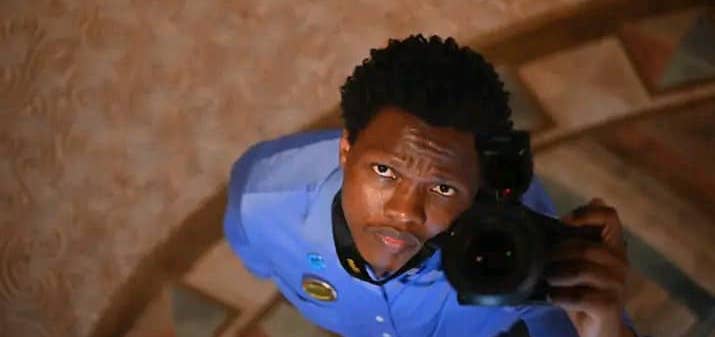
As a photographer, my day usually started at around 4:30 a.m. I would wake up, take a shower and head to the Crew Mess, the dining area for crew members, to have breakfast. Afterwards, I would go to the photo gallery to prepare my cameras and equipment before heading to the Lido Deck on Deck 17.
One thing many people don’t realise is that photographers on cruise ships have daily performance targets. We are expected to capture a certain number of guest photographs every day. If you consistently fail to meet those targets, your manager will certainly want to know why. It taught me how to approach guests professionally, remain positive and continue delivering outstanding customer service, even during long shifts.
One of my favourite mornings was when we sailed through Glacier Bay National Park in Alaska. That is one of the reasons we started work so early. Anyone who has visited Glacier Bay will tell you that the scenery is breathtaking. Imagine sailing towards enormous walls of ancient blue ice towering above the water. It almost feels as though you’ve reached the end of the world. Guests would gather on deck to witness the glaciers, and my role was to capture those once-in-a-lifetime memories for them.
After photographing the sunrise and guests on the open decks, I would move inside the ship to continue taking photographs as guests began waking up and exploring different areas.
We also wore large mascot costumes, including giant bears, which were always popular with families and children. We would walk around the ship taking fun souvenir photographs with guests.
Later, I would have a 30-minute break before returning to the photo gallery, where we sold the photographs we had taken the previous day. This was an important part of our job because we interacted directly with guests and helped them choose the memories they wanted to take home.
Afterwards, I would head back outside to continue photographing guests on the upper decks. By then, the weather was usually warm and sunny, creating perfect conditions for outdoor photography. Following another break of around an hour, I would change into formal evening attire in preparation for the ship’s evening programme.
In the evening, our team would set up professional backdrops across about seven different locations on the shopping decks, where guests dressed elegantly before dinner or formal events. We photographed couples, families and groups, creating portraits that became treasured keepsakes of their holiday.
Once the evening session was over, we packed away all our equipment, returned it to the storage lockers, placed batteries on charge and prepared everything for the following day’s schedule. Then it was finally time to rest before doing it all again the next morning.
Every day was different. One morning we could be photographing glaciers in Alaska, and a few days later we would be taking family portraits beneath the Caribbean sun. It was physically demanding, but it was also one of the most rewarding experiences of my life. It taught me discipline, resilience, customer service and how to perform at a high level while working alongside people from all over the world.
Working on a cruise ship completely changed my perspective on life. It breaks down the stereotypes often created by the media and replaces them with genuine human connection. You quickly realise that people from different countries have far more in common than many of us imagine.
It is an unmatched environment for broadening your worldview, building confidence and gaining life experiences that simply cannot be replicated on land.