Hon Bajila questions shortage of male teachers, raises Grade 7 school attendance debate

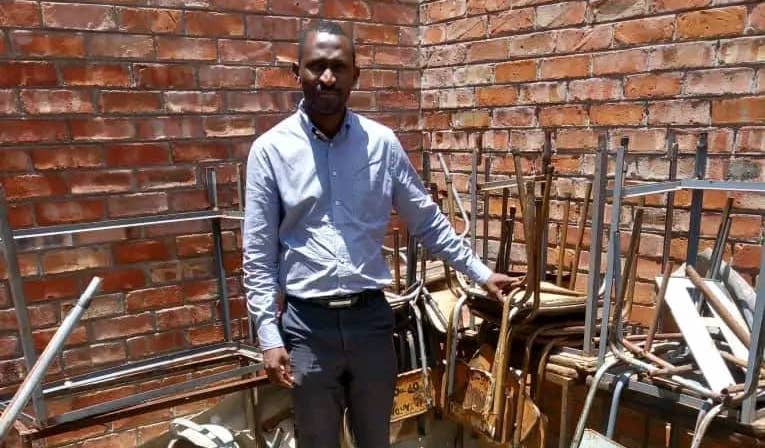
A routine visit to schools in his constituency, Luveve-Emakhandeni has opened up two important conversations about Zimbabwe’s education system, with MP Hon Discent Bajila questioning the low number of male teachers in primary schools and whether Grade 7 pupils should continue attending classes after completing their final examinations.
Hon Bajila shared his observations following a brief tour of selected schools last Friday, saying unannounced visits sometimes offer an opportunity to see the realities on the ground.
One particular discovery caught his attention. Out of 45 teachers at one primary school, only three were men, leaving female teachers accounting for the overwhelming majority of the staff.
Putting the figures into perspective, Hon Bajila on his social media account described the situation as a gender ratio of 1:14.
“Kanti obaba bafundisa ngaphi?” he asked,
Questioning where male teachers were and whether the same situation existed in other schools.
His observation raises an interesting question about the representation of men in primary education, a profession where women continue to make up a significant part of the teaching workforce.
While there is nothing wrong with women dominating the profession, the limited presence of male teachers invites discussion about why fewer men appear to be taking up teaching positions at primary school level.
It also brings into focus the importance of encouraging more men to consider teaching as a career and examining the challenges that may be influencing their participation in the profession.
Hon Bajila’s second question shifted attention to Grade 7 pupils, particularly what should happen after they complete their final examinations.
Should they continue reporting to school or be allowed to stay at home?
It is a question many parents and schools can relate to. Once the final examination papers have been written, pupils enter a waiting period before their results and transition to secondary school. Whether schools should continue requiring them to attend during this time is a matter worth discussing.
The availability and diversity of teachers, as well as how schools manage pupils after examinations, are part of the wider conversation about the learning environment.