Savoring Tradition, Sharing Heritage: A conversation with NAMA nominee Prince Sivalo Mahlangu

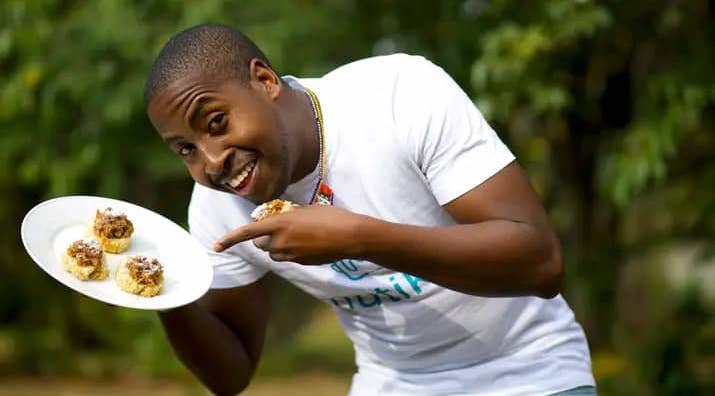
Get ready for a taste of Zimbabwe’s rich culture and culinary magic! . We’re thrilled to introduce you to Prince Sivalo Mahlangu, the visionary founder of Magriza Made Me Cook, as he dishes out his thoughts on his nomination for Outstanding Male Social Media Creator at the NAMAs, and shares stories of tradition, travel, and the power of food to unite communities. From the Reed Dance Ceremony in Eswatini to the streets of Mzilikazi Township, Prince takes us on a flavorful journey that’s sure to inspire and leave you craving for more! . Let’s dive in!
TR: How does it feel to be nominated for Outstanding Male Social Media Creator at the NAMAs, and what does this recognition mean for your journey with Magriza Made Me Cook?
PM: Receiving a nomination from the NAMAs is an exceptional honour. It demonstrates that my work with Magriza Made Me Cook is contributing meaningfully to the culinary and cultural heritage of Zimbabwe and the African continent.
TR: What were your first thoughts when you found out about your NAMA nomination, and who did you want to thank first?
PM: My friend Gilmore Khumalo called to congratulate me. It was a bittersweet moment; while it was wonderful news, I was in a period of bereavement after recently losing my father. Regarding my gratitude, I owe this to the countless people who view my work online—they have become family to me. I also want to thank my son, Aphile Mnqobi Mahlangu, who is a continuous source of inspiration; uMagriza, for everything she taught me; and my dedicated production team.
TR: What does being nominated for Outstanding Male Social Media Creator at the NAMAs mean to you personally and for Magriza Made Me Cook?
PM: It represents growth and appreciation. This year marks the sixth anniversary of Magriza Made Me Cook, and this nomination cements the importance of the work we’ve done to document our heritage.
TR: How has travelling across Southern Africa shaped your storytelling and approach to food content?
PM: I have learnt so much. I’ve discovered that we have many identical dishes rooted in unique cultural connotations. For example, fresh cornbread is known as Isinkwa Somfahlwa in Zimbabwe, while in the Kingdom of Eswatini, the very same dish is known as Isinkwa Sombila.
TR: What’s your favourite African vegetable dish to cook, and what’s
the story behind it?
PM: My favourite dish is Amasi Omcaba, which is a combination of cooked ground
sorghum and curdled milk (Amasi). My grandmother loved this dish, and we used to prepare it together for weekend meals. I am fascinated by the use of the traditional grinding stone in its preparation and how milk and sorghum remain two pillars of Ndebele food culture.
TR: What’s a standout moment from your 10 days in Eswatini during the
Reed Dance Ceremony last year?
PM: Exploring the country’s food culture and its deep link to heritage was incredible. Capturing footage of King Mswati III and the Queen Mother (Indlovukazi) during the ceremony was an awesome experience. The overall vibe of the ceremony is truly a once-in-a-lifetime experience.
TR: How do you capture the essence of a community’s culture through food in your videos?
PM: Food is a primary representation of a people’s culture. Culture is the assertion of how a community views the world, which is reflected in their behaviour and daily practices. When filming different communities, I infuse these worldviews into the content using food, as it represents a people’s history and heritage so vividly.
TR: What draws you to rural areas when you travel, and how do they inspire your content?
PM: I love rural areas; as someone who loves nature, I find being in the countryside to be a therapeutic experience. Since most indigenous dishes are still prepared in their original ways in these areas, the lifestyle and culture inspire my path of documentation and my preference for sourcing natural ingredients.
TR: What was it like exploring Mzilikazi Township with Lights
WakoBulawayo last week?
PM: It was amazing. LightsWakoBulawayo is an incredible human being, and I am
grateful to have worked with him. We learnt so much about the genesis of the
township and the historical stories embedded in its development—and, of course, we got to taste the local food.
TR: How do you balance entertainment and education when sharing
heritage through cooking?
PM: It is important to remember that culture is meant to educate, not just entertain. However, within the dimension of film, entertainment is a necessary factor. In my documentaries, I strive to educate the viewer while maintaining a creative edge both on and off-set.
TR: What’s one cultural lesson from your travels that has deeply impacted your perspective?
PM: That culture is dynamic—it is who we are. We have a responsibility to safeguard
these cultural practices for the generations that will come after us.
TR: As you celebrate 6 years of Magriza Made Me Cook, what’s your vision for the next chapter of the brand?
PM: My vision is to see mydocumentaries hosted on platforms like ZBC, Netflix, and
National Geographic. I also want to continue cooking and eventually open a space where people can physically come and experience the beauty of African cuisine.