Magriza Made Me Cook season 2 celebrates food, heritage and identity

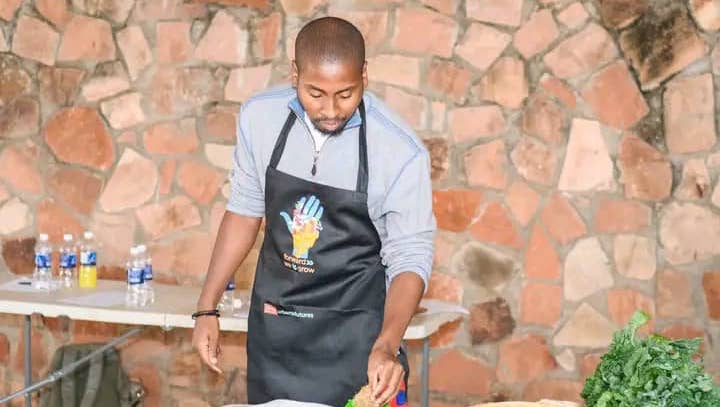
Food, culture, fashion, film and music came together at the Bulawayo Art Gallery on the 8th of August as Magriza Made Me Cook Season 2 Premium hosted a select gathering of guests for an intimate celebration of African cuisine and heritage.
Held as a private event, the Season 2 Premium experience offered guests more than a preview of a television documentary programme. Attendees were invited to spice up their semi-formal attire with elements of heritage, creating a stylish blend of contemporary fashion and African cultural identity.
Among those invited to the exclusive gathering was My Kasi Magazine, which joined other guests in witnessing the presentation of the latest season and celebrating the creative vision behind the project.
The event was graced by Minister of State for Provincial Affairs and Devolution for Bulawayo Metropolitan Province, Judith Ncube, who served as Guest of Honour and commended the organisers for creating a platform she described as much more than the launch of a television documentary programme.
“It is much more than the launch of a television documentary programme. It is the celebration of who we are, where we come from and what we must preserve for the generations to come,” Minister Ncube said.
In recognising the people behind the initiative, Minister Ncube described Prince Sivalo Mahlangu as the “Gordon Ramsay of Zimbabwe” and Gordon Ramsay as the “Prince Sivalo of America,” highlighting the distinctive personalities and cultural vision associated with the project.
She noted that the name Magriza MadeMe Cook evokes memories of the past, particularly the food and cultural traditions that shaped communities and families.
Minister Ncube reflected on traditional methods of preparing dishes and encouraged the Magriza team to conduct further research by engaging elders and cultural custodians to gain a deeper understanding of traditional cooking practices.
She also encouraged parents to ensure that children eat healthy diets that incorporate African traditional foods, stressing that embracing progress should not mean abandoning cultural identity.
“Progress does not come at the expense of our identity,” she said.
The Minister further described food as an important vessel of history and culture, noting that what people eat carries stories about their origins, traditions and way of life.
“Food is not mainly what you eat. Food tells a story. It tells us about our history and our way of life,” she said.
She further highlighted the economic potential of heritage and cultural innovation, noting that culture can become an economic driver capable of creating opportunities for women, artists and other players across the value chain.
The production brings together a multidisciplinary creative team.
Prince Sivalo Mahlangu serves as the Writer and Producer, with Fungai Mawada as Co-Producer.
Tswarelo Mothobe serves as Director and Editor, while Thembani Phakathi is the Cinematographer and Co-Editor. Thamsanqa Sibanda is responsible for Sound and Engineering, with Ishmael Mkandla serving as Drone Videographer.
The production’s logistics are handled by Terrence Aswell, while Richard Ncube serves as Graphic Designer, completing the team responsible for bringing the project to life.
Following the show, guests had the opportunity to taste a selection of cultural African cuisines prepared by Prince Sivalo Mahlangu, allowing them to experience first-hand the flavours and culinary traditions celebrated by the programme.
Guests were also invited to share their favourite traditional dishes, with isitshwala lo mfutshwa and umfutshwa wolude lomlaza among those mentioned.
Adding to the evening’s cultural atmosphere was a performance by international award-winning imbube group Nobuntu, whose music brought another powerful layer of Zimbabwean cultural expression to the gathering.
The heritage-inspired dress code, traditional cuisine and live musical performance created an atmosphere in which culture was not simply discussed, but experienced.
For the Magriza team, the event represented an opportunity to bring something meaningful to the community — a platform where traditional food can be documented, celebrated and reintroduced to contemporary audiences.
The intimate setting of the Bulawayo Art Gallery provided a fitting backdrop for a project centred on identity, memory and creativity.
As Magriza MadeMe Cook Season 2 moves forward, the production is positioning itself as more than a cooking programme. It is becoming a creative cultural archive that uses food, film and storytelling to preserve memories while introducing African culinary heritage to a new generation.